Introduction: Why Spain is Exceptional for Stargazing
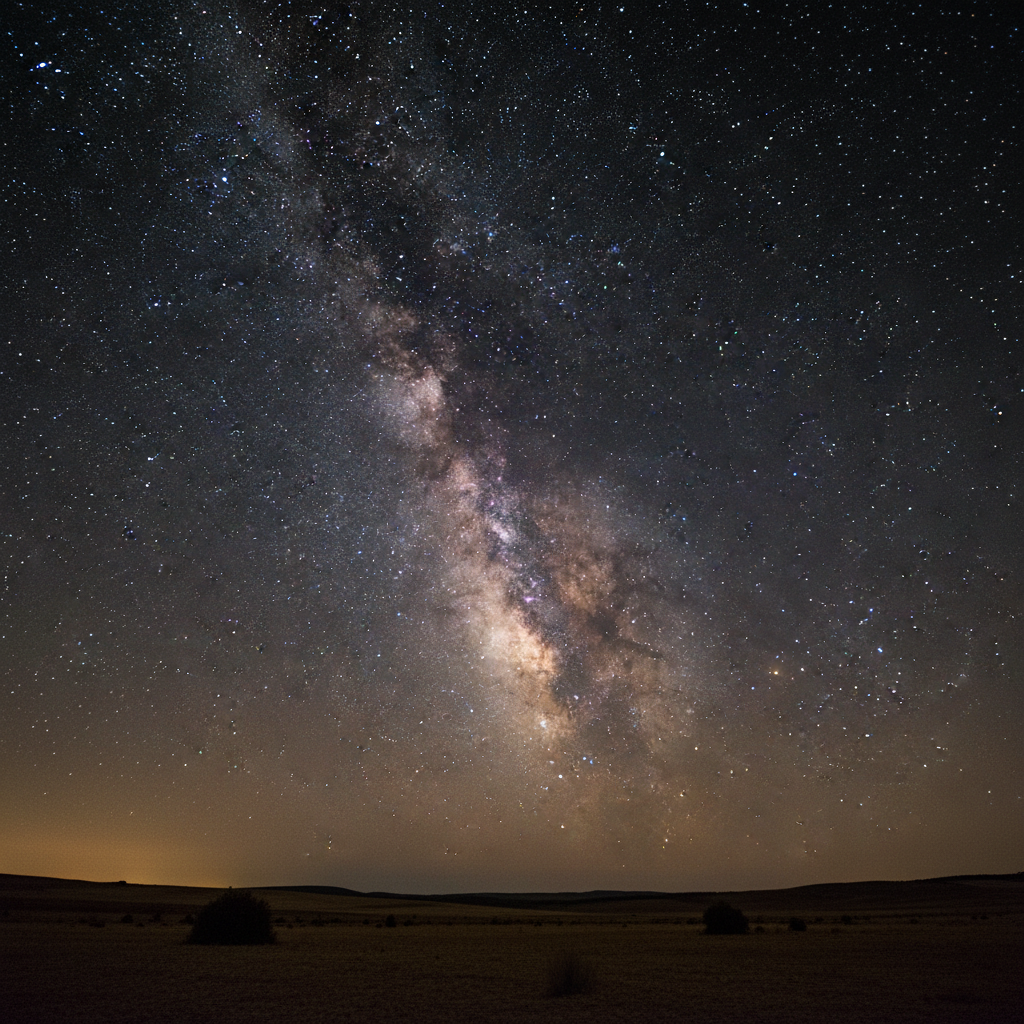
Spain's combination of geography, climate, and astronomy infrastructure makes it arguably Europe's finest stargazing destination. The Iberian Peninsula's position at the southern edge of mainland Europe brings a Mediterranean and semi-arid climate to much of its interior, delivering the clear, dry nights that astronomers prize. The country's sparsely populated interior — vast meseta plateaux, dehesa parklands, and mountain ranges — preserves natural darkness across enormous areas that are disappearing elsewhere on the continent.
The Spanish government has been a leader in dark sky protection. The Canary Islands have had special lighting legislation protecting their observatory skies since 1988 — one of the earliest such laws in the world. The Starlight Foundation, created by the Instituto de Astrofísica de Canarias (IAC), has certified dozens of dark sky destinations, hotels, and reserves across Spain, building an astronomy tourism infrastructure that few countries can match.
Spain's latitude gives its skies a distinctive character. At 28°N, the Canary Islands offer a view of the sky impossible from northern Europe — southern constellations like Centaurus and Scorpius rise high, the Milky Way's galactic core culminates nearly overhead in summer, and objects that barely clear the horizon in England are fully visible. Even mainland Spain (36–44°N) enjoys a significantly richer southern sky than most of Europe.
Spain's Key Dark Sky Regions
- Teide National Park, Tenerife (28.3°N, 16.6°W) — UNESCO World Heritage Site; Observatorio del Teide at 2390m; Starlight Reserve
- Roque de los Muchachos, La Palma (28.8°N, 17.9°W) — 2426m; home to the Gran Telescopio Canarias; IDA International Dark Sky Reserve
- Monfragüe, Extremadura (39.8°N, 5.9°W) — First IDA Dark Sky Reserve on the Spanish mainland; Bortle 1–2 dehesa plains
- Sierra Nevada National Park (37.1°N, 3.4°W) — 3479m summit; IAC observatory; Starlight Reserve status
- Bardenas Reales, Navarra (42.2°N, 1.6°W) — Protected desert biosphere; exceptional continental-arid sky clarity
- Cabo de Gata-Níjar, Almería (36.8°N, 2.2°W) — Semi-desert Mediterranean coast; minimal light pollution; Starlight destination
Access to professional-grade astronomy is more available to visitors in Spain than almost anywhere else in Europe. The IAC runs public outreach programmes at both its major observatories, and the Starlight Foundation's certified destination network means astronomy-minded accommodation and guided sessions are available across many regions. Whether you want world-class observatory access in the Canaries or solitary dark sky immersion in Extremadura, Spain delivers.
Teide National Park — The Canary Islands
The Teide National Park on Tenerife (28.3°N, 16.6°W) is one of the world's most remarkable astronomical environments. At the centre of the park rises Mount Teide (3718m) — Spain's highest peak — and on its flanks at 2390m sits the Observatorio del Teide, operated by the Instituto de Astrofísica de Canarias. The observatory hosts an array of solar, optical, and radio telescopes, and benefits from one of the most stable atmospheric conditions of any European site.
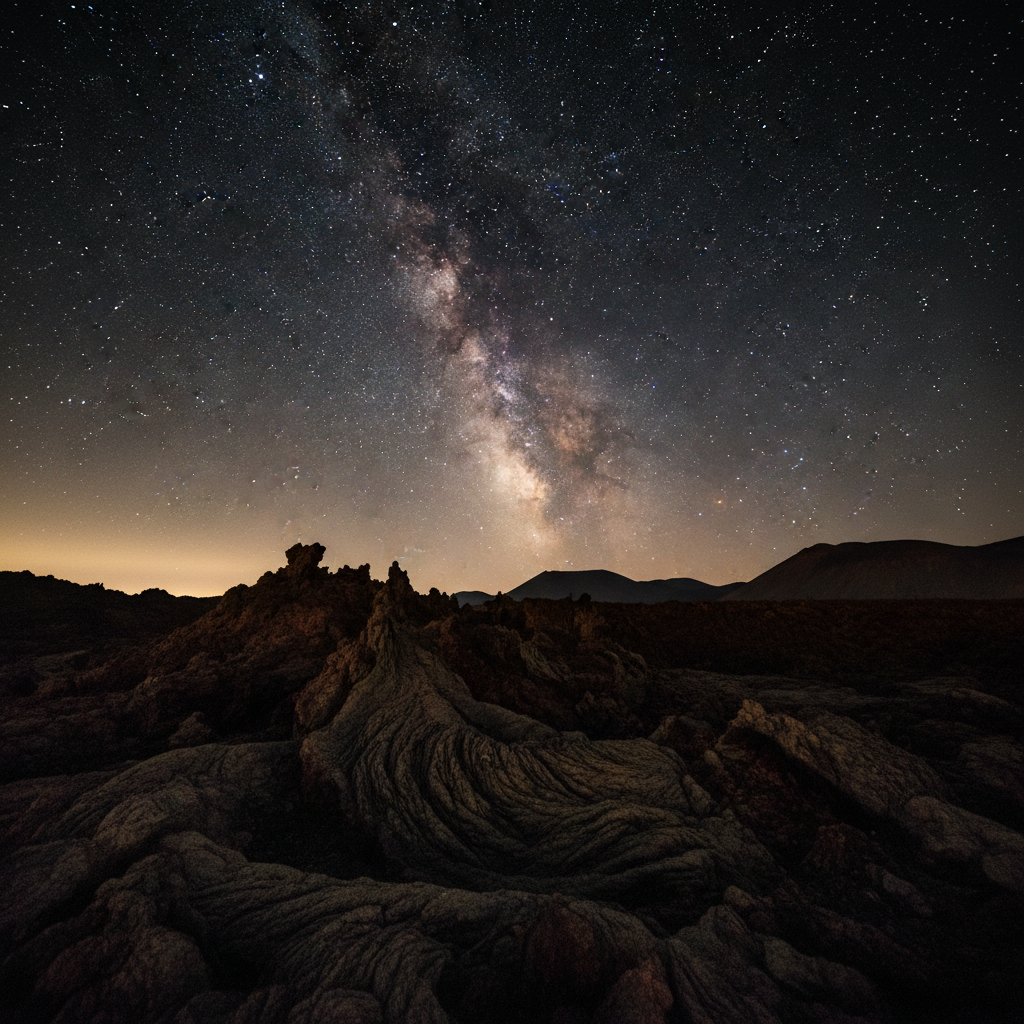
Teide's volcanic landscape at 2000–3700m altitude rises above the trade wind cloud layer — giving access to exceptionally clear, stable skies
The Trade Wind Inversion
Tenerife's exceptional sky quality results from the trade wind temperature inversion — a stable layer of warm air that sits above the cool marine boundary layer at approximately 1200–1500m. This inversion acts as a lid, trapping cloud and humidity below and leaving the air above it extraordinarily dry and clear. The Teide National Park's caldera floor at 2000m sits well above this layer, looking down on a sea of clouds while enjoying perfectly transparent skies above.
On nights when the inversion is strong, observers at Teide see stars with a clarity matched in Europe only by the best high-altitude Alpine and Pyrenean sites. The Milky Way is a three-dimensional structure of extraordinary detail — dust lanes, star clouds, and the galactic nucleus all clearly visible. The seeing conditions (atmospheric stability affecting fine detail) are also exceptional, making Teide superb for planetary observation as well as deep-sky viewing.
Stargazing for Visitors
The TF-21 road crosses the Teide National Park and is open to the public. Numerous pull-offs on the caldera floor (at around 2100m) provide excellent viewing locations. The Parador de Las Cañadas del Teide — the only hotel within the national park — offers guests direct access to dark skies from the parking area. Guided night observation programmes operate from the hotel and from the Observatorio del Teide visitor programme (seasonal; advance booking required).
La Palma — the western Canary Island — goes further in its dark sky protection. As a Starlight International Dark Sky Reserve, the island has island-wide lighting ordinances and hosts the world-famous Roque de los Muchachos Observatory at 2426m, home to the 10.4m Gran Telescopio Canarias. Public access to the summit and guided visits to the observatory are available; the road GC-4 reaches the summit from Santa Cruz de La Palma.
Practical Information
Tenerife is easily reached by direct flights from most European cities year-round. Car hire is essential for accessing the national park. The TF-21 summit road requires a free permit for access beyond the cable car station between certain hours — check the Cabildo de Tenerife website before visiting. The caldera is cold at night even in summer (4–10°C); bring warm layers regardless of daytime temperatures. The Teide National Park has no light pollution on its caldera floor — no torch is needed to navigate on moonlit nights.
Extremadura — Europe's Darkest Mainland Skies
Extremadura, Spain's westernmost mainland region bordering Portugal, is one of the most significant dark sky destinations in Europe. Its combination of vast, sparsely populated dehesa landscape, low altitude (300–600m), and minimal industrial development produces Bortle 1–2 skies over enormous areas. The Monfragüe National Park (39.8°N, 5.9°W) — a UNESCO Biosphere Reserve centred on dramatic Tajo river gorges and cork oak plains — became Spain's first mainland IDA Dark Sky Reserve, with measured sky darkness values exceeding 22 magnitudes per arcsecond squared in core areas.
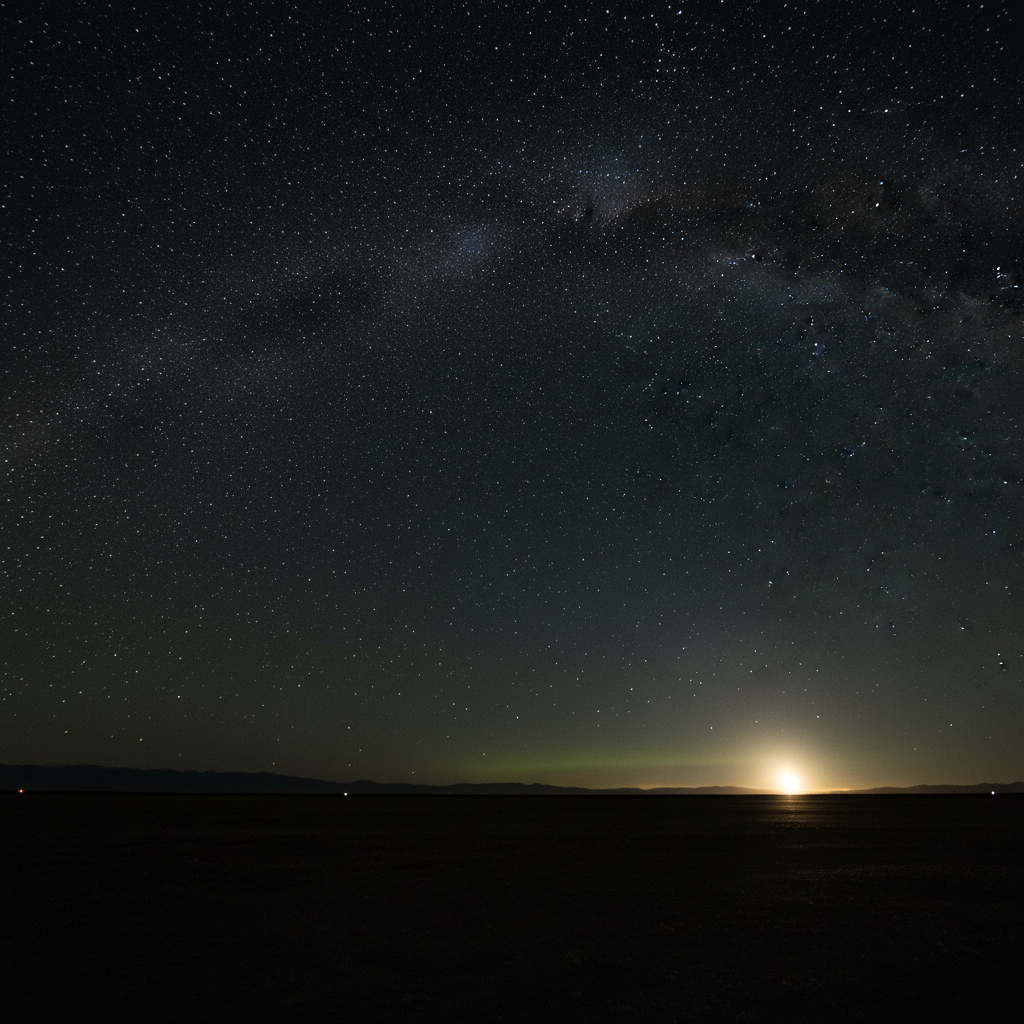
Extremadura's vast dehesa plains stretch to dark horizons — Monfragüe is mainland Spain's first IDA Dark Sky Reserve with Bortle 1–2 core zones
Monfragüe National Park
Monfragüe's landscape is dominated by dehesa — open parkland of ancient cork and holm oaks grazed by free-ranging cattle, pigs, and sheep. This traditional land use has preserved both biodiversity and natural darkness: no large settlements, no industrial lighting, and no intensive agriculture. The EX-208 road traverses the park; the Villarreal de San Carlos visitor centre provides information. The rocky ridge of Peña Falcón and the castle ruins above Monfragüe village offer elevated viewpoints.
During summer months, Monfragüe's sky is spectacular. The galactic centre of the Milky Way rises to 35° elevation in the south — significantly higher than from northern Europe — revealing extraordinary detail in the galactic bulge. The Scorpius-Sagittarius region is rich with nebulae (M8 Lagoon, M20 Trifid, M17 Omega) clearly visible to the naked eye. The zodiacal light is consistently visible in spring and autumn, and the gegenschein (counter-glow) has been observed from the darkest core areas.
Trujillo and the Tajo Valley
The medieval city of Trujillo (birthplace of conquistador Francisco Pizarro) provides an excellent base for Extremadura stargazing. The surrounding plains offer excellent access to dark sky sites within 20–30 minutes of comfortable accommodation and restaurants. The Embalse de Alcántara reservoir to the west of Cáceres provides a reflective foreground and very low surrounding skyline.
The recently certified Alqueva Dark Sky Reserve in the Alentejo region of Portugal begins just across the border at the Guadiana River — the reserve's Spanish side includes parts of the Badajoz province. This cross-border dark sky area represents one of the largest protected dark regions in Europe and is increasingly attractive to astronomy tourism.
Practical Information
Extremadura is best visited May through September when temperatures are warm and skies reliably clear. July and August are very hot by day (38–42°C) but nights cool to 16–22°C — comfortable for extended sessions. The region is 3–4 hours by car from Madrid on the A-5 or N-V. Mérida, Cáceres, and Trujillo all offer excellent accommodation. The EX-208 through Monfragüe is well-maintained; a standard car suffices. No permit is required for night access to the park roads.
Sierra Nevada & the Alpujarras
The Sierra Nevada mountain range in Andalusia rises abruptly from the Mediterranean coastal plain to reach 3479m at Mulhacén — the Iberian Peninsula's highest peak. At this altitude, the Observatory of Sierra Nevada (OSN) operated by the IAC provides one of Spain's clearest sky windows on the southern celestial hemisphere. The surrounding Alpujarras villages — whitewashed mountain settlements at 900–1600m on the southern slopes — have become a recognised stargazing destination combining altitude advantage with traditional Andalusian culture.
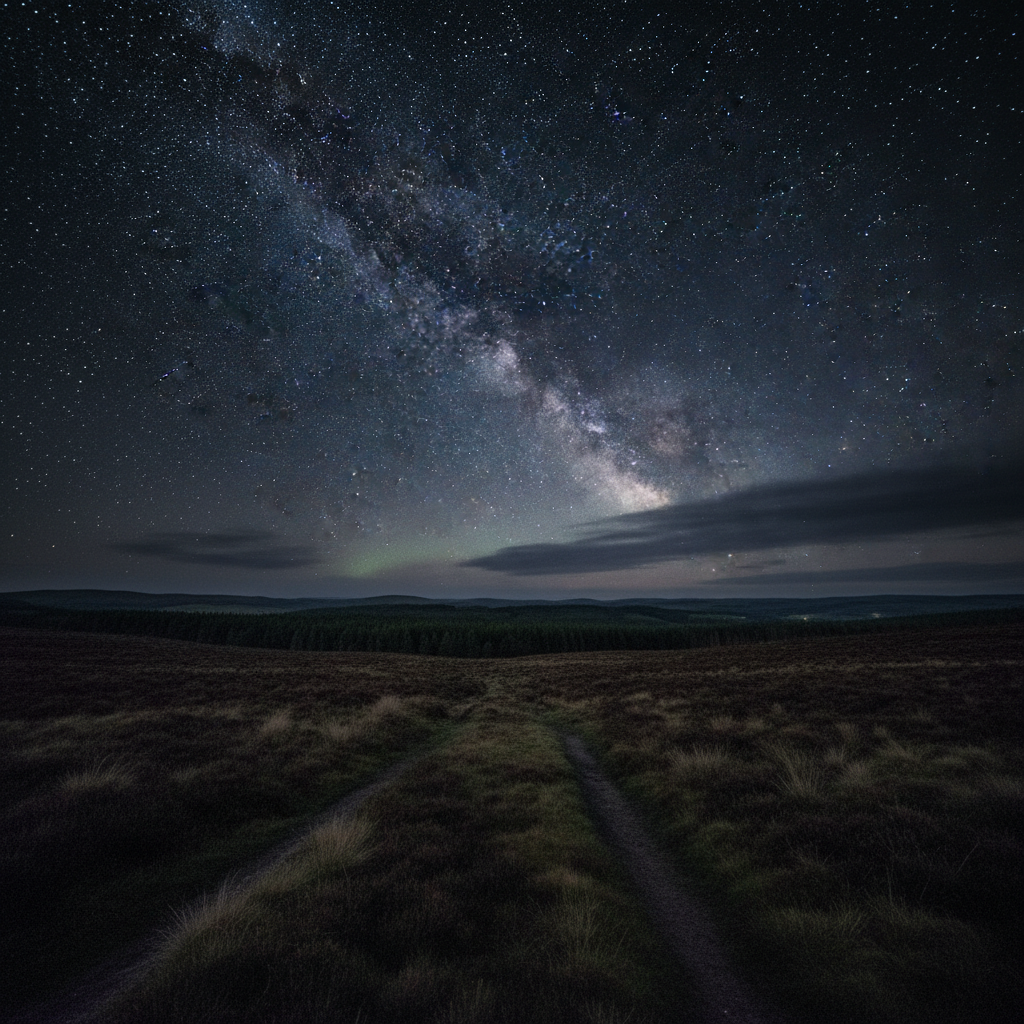
The Sierra Nevada's 3479m peaks rise above Andalusia's warm air — the IAC's Observatory of Sierra Nevada sits at the summit for professional-grade sky access
Observatory of Sierra Nevada
The OSN (37.06°N, 3.39°W) sits at 2896m on the Loma de Dílar ridge, below the main peaks. The observatory hosts a 1.52m telescope used for professional research and hosts occasional public outreach events. The surrounding area above the ski resort of Pradollano offers genuinely dark skies — the ski resort's own lighting is concentrated in the valley, leaving the high-altitude terrain above relatively unaffected.
The A-395 road from Granada reaches the Pradollano ski resort at 2100m; above this, a restricted road continues to the observatory. Access for independent stargazers is via the high meadow areas accessible from the ski resort parking area. At 2100m, conditions are already excellent — the combination of altitude, low humidity, and clear Andalusian air gives transparency rivalling the Pyrenees.
The Alpujarras Villages
The Alpujarras occupy the southern slopes of the Sierra Nevada, a succession of Moorish-era white villages (Trevélez, Bubión, Capileira, Bérchules) at 1200–1500m elevation. These villages are far from any city and almost entirely free of industrial or commercial lighting. The terraced landscape opens towards wide southern horizons — ideal for observing southern constellation and the Milky Way's galactic centre.
Several rural hotels and cortijos in the Alpujarras have adopted Starlight Foundation certification, offering telescope access and guided observation evenings. The village of Trevélez (1476m), the highest in mainland Spain, makes an excellent base — accommodation is plentiful and the surrounding sierra meadows are completely dark. On summer nights, the Milky Way arch spans the full sky from the Atlantic to the Mediterranean horizon.
Cabo de Gata, Almería
For those seeking coastal stargazing in Andalusia, the Cabo de Gata-Níjar Natural Park (36.8°N, 2.2°W) on Spain's southeastern tip offers an unusual combination: desert landscape, minimal development, and direct southern horizon over the Mediterranean. The park's protected status limits construction and lighting across 60,000 hectares of volcanic coastline and semi-arid interior. The area holds Starlight Tourism Destination certification.
Practical Information
Granada provides the ideal base for Sierra Nevada stargazing — the city is 30 minutes from the ski resort road and has excellent restaurants and accommodation. The Alpujarras are 1–1.5 hours from Granada by the A-44 and local mountain roads (slow, scenic driving). Summer evenings are warm at valley level but cool rapidly above 1500m — bring layers. The A-7 motorway connects Almería (for Cabo de Gata) to Granada and Málaga. Spring and autumn are the best seasons for combining stargazing with comfortable walking in the high sierra terrain.
Other Notable Stargazing Locations
Bardenas Reales, Navarra
The Bardenas Reales (42.2°N, 1.6°W) is one of Spain's most dramatic landscapes — a semi-desert badlands of eroded clay towers, plateaux, and canyons that covers 415 km². As a UNESCO Biosphere Reserve with minimal settlement, the darkness is exceptional for a location at this latitude (comparable to the northern English moors in dark sky quality). The NA-128 road crosses the reserve; the Bardenas Visitor Centre at Arguedas provides access information. The landscape's surreal geological formations create extraordinary astrophotography possibilities.
Picos de Europa, Cantabria
The Picos de Europa (43.2°N, 4.8°W) offer northern Spain's finest mountain stargazing. At 2600m in the cable car-accessible Fuente Dé area, above the Atlantic weather systems that dominate the coast, conditions can be exceptional on clear nights. The mountain cirques and limestone spires create dramatic foregrounds. Access requires checking weather carefully — the Cantabrian coast's Atlantic influence brings frequent cloud at lower elevations, but the peaks can be above cloud when conditions allow.
Montsec, Catalonia
The Montsec range in pre-Pyrenean Catalonia (42.0°N, 0.9°E) is home to the Parc Astronòmic Montsec — a public astronomy park at 1360m with a visitor centre, outdoor observation decks, and guided night sky sessions. The surrounding area has dark sky protection across multiple municipalities. Montsec is easily accessible from Barcelona (2.5 hours) and Lleida (1 hour), making it one of Spain's most accessible dark sky experiences for visitors without a car.
Terol / Teruel Dark Sky Region
The province of Teruel in Aragón (40.3°N, 1.2°W) combines remote meseta landscape with several villages that have adopted comprehensive dark sky lighting ordinances. The area around Gúdar-Javalambre mountains (1900m) provides excellent conditions year-round. The Observatorio Astrofísico de Javalambre (OAJ) — a professional facility — is located here; the surrounding area is increasingly promoted as a dark sky tourism destination.
Best Times and Seasons for Stargazing in Spain
Spain's diverse climate creates radically different optimal windows depending on region. The Canary Islands are relatively weather-independent year-round; mainland Spain divides between its dry Mediterranean/continental interior and the wet Atlantic north.
Seasonal Guide — Mainland Spain
- Spring (April–May): Excellent transparency across central and southern Spain as the Atlantic influence weakens. Galaxy season opens — Virgo cluster, Leo Triplet visible. Comfortable temperatures 10–20°C. Milky Way rises before midnight from May. Zodiacal light very clear in March–April evenings.
- Summer (June–September): Peak Milky Way season. Galactic centre reaches 35°+ elevation in southern Spain. Dry, cloudless nights across Extremadura, La Mancha, and Andalusia. Very hot by day (35–42°C inland) but pleasant at altitude. Perseids peak August 12–13. Nights short (6–8 hours of astronomical darkness near solstice).
- Autumn (October–November): Nights lengthen rapidly. Still warm enough for comfortable observing (10–18°C). October meteor showers. Andromeda Galaxy perfectly placed for naked-eye viewing. Best season for combining stargazing with autumn tourism activities (wine harvest, mushroom season).
- Winter (December–March): Longest nights. Orion, Gemini, and winter deep-sky objects dominate. Cold at altitude but often exceptionally transparent. The Canaries remain warm and excellent year-round. Continental anticyclones bring crystal-clear conditions across the meseta.
Canary Islands Timing
The Canary Islands are essentially year-round destinations for stargazing, but winter (October–March) offers the best combination of long nights and strong trade wind inversion. Summer offers shorter nights but the Milky Way galactic centre is spectacular at Teide's latitude (28°N). The Perseids are superb from Tenerife and La Palma due to the very dark skies and warm nights (18–24°C at altitude in August).
Essential Equipment for Stargazing in Spain
Spain's generally dry climate means dew is rarely a problem (unlike England or France), but heat, dust, and altitude each introduce their own equipment considerations.
Equipment Checklist — Spanish Stargazing
Essential (All Sites):
- Red LED torch/headlamp — Navigation essential at remote Extremadura and Canary sites
- Warm layers for altitude — Even in summer, Teide and Sierra Nevada drop to 4–10°C after sunset
- Water (1.5+ litres) — Dry conditions and heat dehydrate quickly; services absent at remote sites
- Insect repellent — Mosquitoes active near reservoirs and river valleys in summer
- Sunscreen and hat — For daytime site scouting at altitude; UV is intense in Spain
Recommended:
- Binoculars (10×50) — Spain's dark skies reward binoculars enormously; the Milky Way's nebulae are outstanding
- Camera with wide-angle lens — Spanish landscapes (desert, mountains, whitewashed villages) make extraordinary astrophotography foregrounds
- Offline navigation (Maps.me) — Rural Extremadura and high mountain roads frequently lack mobile signal
- Astronomy app with southern sky content — SkySafari or Stellarium; download Spanish sky objects (southern Milky Way nebulae)
For Mountain Sites (Teide, Sierra Nevada, Pyrenees):
- Windproof outer layer — Summit winds can be strong even in summer
- Waterproof boots — High mountain terrain requires ankle support; volcanic scree at Teide can be slippery
- Altitude awareness — Above 3000m, some visitors experience mild altitude effects; ascend slowly and stay hydrated
Planning Your Stargazing Trip to Spain
Choosing Your Destination
For the absolute best skies in Europe, the Canary Islands — especially La Palma or Tenerife's Teide — are unrivalled and easily accessible by flight from any European city. For mainland Spain, Extremadura offers the darkest accessible skies combined with excellent infrastructure and a rich cultural landscape. The Sierra Nevada and Alpujarras suit those combining astronomy with hiking, Moorish history, and Andalusian food culture. The Bardenas Reales or Teruel region suits visitors exploring northern Spain.
Starlight Certified Accommodation
Booking Starlight Foundation certified accommodation significantly enhances a Spanish stargazing trip. These hotels and rural houses have committed to dark sky principles — no outdoor lighting towards the sky, staff trained in astronomy, telescope access, and guided observation sessions. Certified properties exist across the Alpujarras, Extremadura, the Canaries, and Catalonia. Search the Starlight Foundation website for the full certified destination list by region.
Driving in Rural Spain at Night
Spanish secondary roads (carreteras comarcales) are generally well-surfaced but unlit. Wildlife is active at night across Extremadura — deer, wild boar, and Iberian lynx (extremely rare but present in some areas) cross roads unpredictably. Drive slowly on remote roads. Fuel stations in rural areas close by 22:00 — fill up before heading to remote sites. Parking in the Teide National Park's caldera requires care: some areas have time restrictions; the Parador car park is the most convenient dark sky access point.
Observatory Visits — Booking
The Observatorio del Teide public visit programme and the Starlight night observation activities both require advance booking, particularly in July–August when demand is high. Book 4–8 weeks ahead for summer visits. The Roque de los Muchachos on La Palma has limited guided visit slots — check availability well in advance. The Parc Astronòmic Montsec in Catalonia has more availability and is easier to book for spontaneous visits.
Weather and Sky Conditions in Spain
Mediterranean and Continental Climates
Spain's interior and south experience a continental-Mediterranean climate — very dry summers (virtually no rain June–September across Extremadura, La Mancha, and Andalusia) and mild winters. This makes summer stargazing in these regions almost entirely weather-reliable. The Canary Islands' desert climate (60–80mm annual rainfall, mostly in winter) offers year-round reliability at altitude. The Mediterranean coast can experience summer thunderstorms (Levante events) that temporarily disrupt conditions, particularly August–September.
Atlantic Spain — North and Northwest
Galicia, Asturias, Cantabria, and the Basque Country share the Atlantic's cloud cover and rainfall. Stargazing in these regions is possible but requires timing around weather windows similar to England. Avoid planning dark sky trips to northern Spain without checking forecasts carefully. The Picos de Europa sit on the boundary — valley locations are often cloudy while the upper peaks may be above cloud.
Forecasting Tools
- AEMET (aemet.es) — Spain's official meteorological agency; detailed mountain forecasts for Sierra Nevada, Pyrenees, and Canaries
- Clear Outside (clearoutside.com) — Astronomy-specific forecasts including transparency and seeing for Spanish locations
- Windy.com — Particularly useful for Canary Islands trade wind inversion forecasts
- Meteociel — Detailed synoptic charts showing Atlantic weather system movements
- IAC Observatorio del Teide webcam — Live views showing real-time cloud conditions at the observatory
Calima — Saharan Dust
The Canary Islands and mainland Spain periodically experience "calima" — Saharan dust transported on southerly winds that reduces sky transparency to near zero. Calima events typically last 2–5 days and can occur in any season, though most commonly in summer. Check Windy.com dust forecasts before planning observation trips; a strong calima makes even the Teide summit sky unobservable. Mainland Spain's interior is generally less affected than the Canaries, but severe events can reach Extremadura and Andalusia.
Practical Tips for Stargazing in Spain
Best Free Dark Sky Access Points
Spain's national and natural parks allow free access on public roads at night. The best free access points in Extremadura are along the EX-208 through Monfragüe (several official mirador pull-offs). In the Sierra Nevada, the road above Pradollano ski resort provides free access to 2100m+ terrain. In Tenerife, any pull-off along the TF-21 within the national park caldera provides excellent free access — the road is open at night outside permit hours. The Bardenas Reales access road from Arguedas is open 24 hours.
Milky Way Astrophotography Advice
Spain is one of the world's finest Milky Way photography destinations. Key advice for Spanish sites: use the PhotoPills app to plan your shot — the galactic arch direction and altitude vary significantly between northern Extremadura and southern Andalusia. The Alpujarras village rooftops and terraces make superb foregrounds for the southern Milky Way. At Teide, photograph towards the southeast from the caldera floor for the galactic centre rising above Tenerife's southern coast. Arrive at sites 90 minutes before astronomical darkness to scout foregrounds in the last light.
Heat and Summer Night Safety
Extremadura and inland Andalusia regularly reach 40°C+ in July–August. Don't underestimate daytime heat when scouting sites. Carry far more water than you think necessary. Scorpions and snakes are present in rocky Extremadura terrain — always check before sitting on rocks or reaching into crevices. After a hot day, cool nights are genuinely pleasant for observing, but temperatures can drop rapidly after 02:00 — bring a layer regardless of daytime conditions.
Astronomy and Culture
Spain's rich history intersects with astronomy in many places. The ancient Iberian settlement of Los Millares near Almería contains Neolithic astronomical alignments. The Alhambra palace in Granada was partly designed around celestial orientations. The Cathedral of Seville has astronomical instruments from the 16th century. Combining a stargazing trip with Spain's extraordinary food, wine, architecture, and history makes for one of the most rewarding travel experiences in Europe.
Resources and Useful Links
Observatories and Dark Sky Sites
- Instituto de Astrofísica de Canarias (IAC) — Teide and Roque observatories, public visit information
- Observatorio del Teide public visits — Guided visits and Starlight night observations
- Parc Astronòmic Montsec — Catalonia public astronomy park
- Monfragüe Tourism — Dark sky reserve access and accommodation
Starlight Foundation
- Starlight Foundation — Certified dark sky destinations, hotels, and guides across Spain
Weather and Forecasting
- AEMET — Spain's official national weather service
- Clear Outside — Astronomy-specific forecasts for Spanish sites
- Windy — Trade wind and calima dust visualisation
Light Pollution and Planning
- Light Pollution Map — Interactive Bortle scale map for Spain
- Stellarium — Free planetarium; essential for offline use at remote sites
- PhotoPills — Essential for Milky Way and astro-landscape photography planning
Frequently Asked Questions
When is the best time for stargazing in Spain?
Spain offers excellent stargazing year-round, but conditions vary by region. The Canary Islands are exceptional in winter (November–February) when the trade wind inversion creates a clear atmospheric layer above the clouds. Mainland Spain is best in summer (June–September) when skies are reliably dry and clear across Extremadura, Castile, and Andalusia. Spring and autumn offer good conditions with more moderate temperatures. The interior meseta (plateau) is excellent from late spring through early autumn. Avoid the northern coast (Galicia, Asturias) which shares the Atlantic's cloud cover.
What are the best dark sky locations in Spain?
The Teide National Park on Tenerife (28.3°N, 16.6°W) is world-class — the Observatorio del Teide at 2390m is one of the world's top professional sites. On the mainland, Extremadura (notably the Monfragüe Dark Sky Reserve at 39.8°N, 5.9°W) offers some of Europe's darkest skies. The Sierra Nevada National Park (37.1°N, 3.4°W) and surrounding Alpujarras villages provide superb Andalusian stargazing. The Bardenas Reales desert in Navarra and the Cabo de Gata-Níjar Natural Park in Almería are exceptional lesser-known sites.
Is the Teide Observatory open to the public?
Yes — the Instituto de Astrofísica de Canarias (IAC) operates public visit programmes at the Observatorio del Teide on Tenerife. Guided daytime visits to the telescope facilities are available by reservation. The "Starlight" night observation programme runs in summer from a visitor facility near the observatory, offering telescope viewing and guided constellation tours. The road to the summit (TF-21) is open to public vehicles but requires a permit for access beyond the cable car station at certain times. Check the IAC website for current public programme information.
How do I get to dark sky sites in Extremadura?
Extremadura is accessible by car from Madrid (3-4 hours on the A-5 or N-V), Seville (2.5 hours), or Lisbon (2.5 hours). The regional capital Merida provides a convenient base for Monfrague and the Tajo valley. For the Monfrague Dark Sky Reserve, the EX-208 road provides access; the village of Torrejon el Rubio is the main entry point. Car hire is essential - public transport in rural Extremadura is minimal. The region's vast cork oak dehesas (open parklands) provide flat, open terrain ideal for setting up equipment.
Can I see the Milky Way from Spain?
Yes — Spain offers some of Europe's best Milky Way viewing. The galactic core rises high in the southern sky from April to September, and Spain's low latitude (36–44°N) means it reaches greater altitude than from northern Europe. From Extremadura, the Canary Islands, or the Spanish central meseta under dark sky conditions, the Milky Way is extraordinarily detailed — dust lanes, nebulae, and the galactic centre are all clearly visible to the naked eye. Bortle 1–2 skies exist in parts of Extremadura and the Canaries.
What is the Starlight Foundation and how does it help stargazers?
The Starlight Foundation (Fundación Starlight), created by the IAC, works to certify and protect dark sky areas across Spain and internationally. It runs a Starlight Tourist Destination programme certifying hotels, campsites, and towns that commit to dark sky protection and astronomy tourism. Starlight-certified destinations in Spain include sites in Tenerife, Extremadura, the Sierra Nevada, and the Alpujarras. Staying at a certified Starlight hotel often includes access to telescopes, guided observation sessions, and knowledgeable staff who can advise on the best local viewing spots.