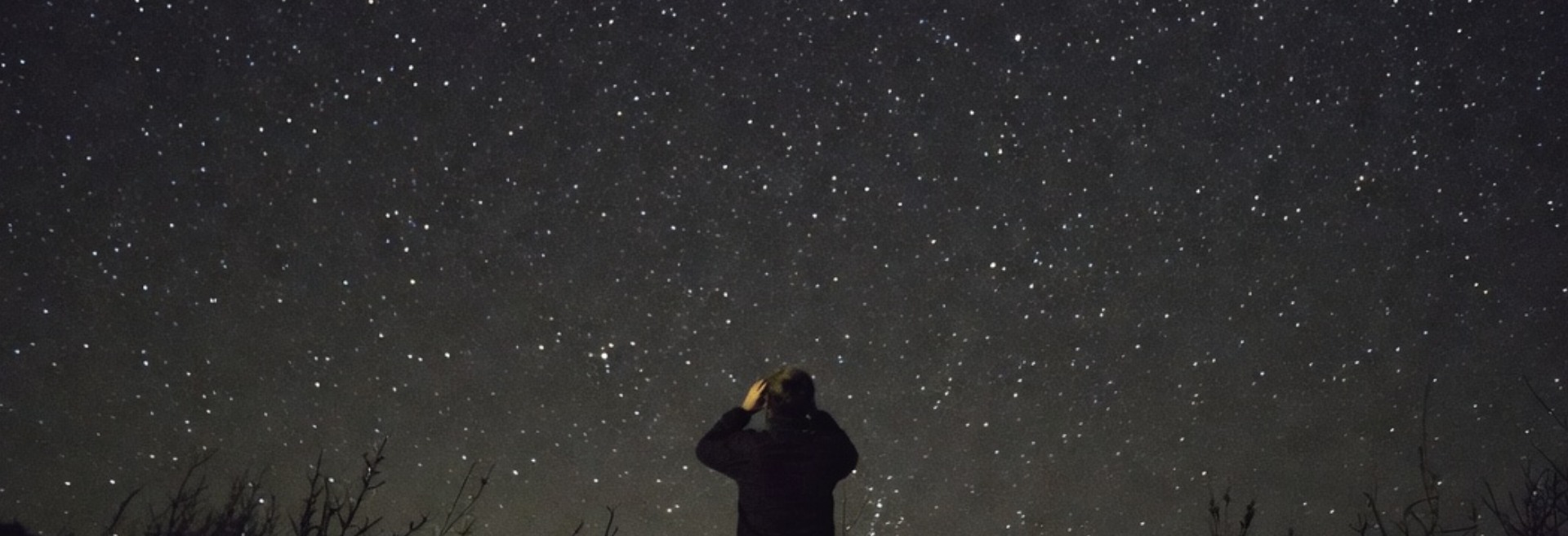
Introduction: Choosing the Right Astronomy Binoculars
Astronomy binoculars serve as the perfect gateway to deep sky observing, offering wide fields of view, comfortable two-eyed viewing, portability, and significantly lower cost than telescopes. Unlike telescopes, binoculars deliver right-side-up images, require no setup or alignment, and excel at scanning rich star fields in the Milky Way. They reveal thousands of stars invisible to naked eyes, resolve dozens of star clusters, show the Orion Nebula's glow, and display the Andromeda Galaxy spanning three Moon-widths.
The astronomy binocular market in 2026 offers excellent options across all price points, from budget models under $100 delivering surprising performance to premium optics approaching telescope quality. This guide reviews the top performers in each category based on extensive real-world testing under dark skies, comparing optical quality, build construction, ease of use, and value for money.
Our testing methodology involves side-by-side comparisons on the same targets (Moon, Jupiter, Pleiades, Orion Nebula, Andromeda Galaxy) under identical conditions, evaluating optical performance (sharpness, chromatic aberration, edge quality), mechanical quality (focus smoothness, collimation stability, weatherproofing), and practical usability (weight, balance, eye relief). All recommendations reflect real observing experience, not just specification sheets.
How We Test Astronomy Binoculars
Our testing protocol ensures objective, comparative evaluation of astronomy binocular performance through standardized procedures that reveal both optical excellence and practical limitations.
Optical Testing
We evaluate optical performance using specific celestial targets that stress different aspects of binocular design. The Moon reveals chromatic aberration (color fringing) along the bright lunar limb—premium optics show minimal purple halos while budget models display noticeable false color. Jupiter tests planetary performance and color correction, with good binoculars showing the disc sharply defined with visible cloud bands and four Galilean moons as pinpoint stars. The Pleiades cluster (M45) evaluates wide-field performance and edge sharpness, as stars should remain pinpoint across the entire field, not just center.
The Orion Nebula (M42) assesses light-gathering ability and contrast—quality optics show the nebula's greenish glow clearly with the Trapezium stars resolved. The Andromeda Galaxy (M31) tests low-contrast performance critical for faint objects; superior coatings and aperture reveal the galaxy's oval core and hints of dust lanes invisible in lesser optics. Double stars like Albireo evaluate resolution and aberration correction, with well-designed binoculars splitting the gold-and-blue pair cleanly.
Mechanical and Build Quality
We test mechanical quality through extended observing sessions. Focus mechanism smoothness matters for precise adjustments on planets and double stars—premium binoculars deliver silky-smooth focus travel without backlash, while budget models sometimes exhibit stiff or loose focus. Collimation stability ensures both optical tubes remain aligned; we check alignment after temperature changes and mechanical stress (setting down binoculars firmly). Poor collimation causes double images and eye strain.
Weatherproofing receives testing in dew-prone conditions. Waterproof/fog-proof models (nitrogen or argon purged) resist internal fogging during temperature transitions from warm house to cold night, while non-sealed binoculars fog internally. Weight and balance affect handheld comfort; we time how long each model remains comfortable for handheld viewing before arm fatigue necessitates rest or tripod mounting.
Standardized Comparison Procedure
All comparative testing occurs on the same night using identical targets within minutes of each other to eliminate atmospheric variation. We test from a Bortle Class 3-4 dark site to reveal maximum performance. Multiple observers with varying experience levels evaluate each model to account for subjective preferences. Testing spans multiple sessions across different seasons to assess performance in various atmospheric conditions.
Budget Picks: Best Value Under $150
Budget astronomy binoculars deliver surprising performance for the price, making stargazing accessible to beginners without significant financial investment. While optical and mechanical quality lag behind premium models, carefully chosen budget binoculars provide satisfying views of bright deep sky objects, the Moon, and planets.
Best Overall Budget: Celestron SkyMaster 10x50
Price: $50-$70 | Aperture: 50mm | Magnification: 10x | Field of View: 5.5° | Weight: 750g
Celestron SkyMaster 10x50 Performance
Optical Quality: Fully multi-coated optics and BaK-4 porro prisms deliver good light transmission (85-90%) and acceptable color correction. Chromatic aberration visible on bright targets like Moon and Jupiter shows purple fringing but doesn't severely degrade views. Center sharpness good; edges soften noticeably beyond 70% of field. The Pleiades resolves well in center, showing dozens of stars, though outer stars blur.
Mechanical Quality: Plastic body construction keeps weight low but feels less robust than metal housings. Focus mechanism smooth enough for practical use though not silky. Collimation generally holds but occasional sample variation exists. Rubber armoring provides decent grip. Not waterproof—avoid dew exposure or use dew shields.
Best For: First-time astronomy observers testing whether binocular observing appeals before larger investment. Budget-conscious students and casual observers. Secondary "grab and go" binoculars for experienced observers. Loaner binoculars for introducing friends to hobby.
Real-world performance impresses given the price. The Moon shows crisp craters and maria with moderate chromatic aberration along the limb. Jupiter appears as clear disc with four Galilean moons visible as tiny points. The Orion Nebula's central region glows greenish with Trapezium stars resolved in darker skies. The Pleiades cluster fills the field beautifully with 40-50 stars visible. Andromeda Galaxy appears as faint oval glow requiring dark skies and averted vision.
Runner-Up Budget: Bushnell Legacy WP 10x50
Price: $90-$110 | Aperture: 50mm | Magnification: 10x | Field of View: 6.0° | Weight: 800g
The Bushnell Legacy WP edges ahead of the Celestron in waterproofing (nitrogen purged) and slightly wider field of view, but optical quality remains similar. Multi-coated (not fully multi-coated) optics show marginally less light transmission. The waterproof construction justifies the extra $30-40 for observers in humid climates or those planning dew-prone observing sessions. Build quality feels more substantial than SkyMaster, with better rubber armoring and smoother focus mechanism.
Budget Wide-Field: Celestron SkyMaster 7x50
Price: $45-$65 | Aperture: 50mm | Magnification: 7x | Field of View: 7.1° | Weight: 730g
For observers prioritizing wide fields for Milky Way scanning and large deep sky objects, the 7x50 SkyMaster delivers exceptional value. The wider 7.1° field frames the entire Pleiades cluster, North America Nebula, and Andromeda Galaxy in single views. Lower magnification reduces hand shake for easier handheld viewing and provides brighter images (7.1mm exit pupil). Trade-off: less magnification shows less detail on Moon, planets, and smaller deep sky objects. Optical quality matches the 10x50 version with similar chromatic aberration and edge softness.
Mid-Range: Sweet Spot for Performance ($150-$400)
The mid-range category represents the sweet spot for most astronomy observers, delivering 80-90% of premium optical performance at a fraction of the cost. These binoculars feature superior coatings, better glass quality, improved mechanical construction, and often weatherproofing. The jump in performance from budget to mid-range significantly exceeds the jump from mid-range to premium.
Best Overall Mid-Range: Nikon Aculon A211 10x50
Price: $130-$160 | Aperture: 50mm | Magnification: 10x | Field of View: 6.3° | Weight: 900g
Nikon Aculon A211 10x50 Performance
Why It's #1: The Nikon Aculon A211 dominates the mid-range category through exceptional optical quality exceeding its price point. Fully multi-coated optics with Nikon's multi-layer coating technology achieve 92-95% light transmission—matching optics costing 2-3x more. BaK-4 prisms deliver excellent contrast and eliminate internal reflections. Chromatic aberration suppressed dramatically compared to budget models; lunar limb shows minimal purple fringing. Edge sharpness extends to 80-85% of field—stars remain relatively pinpoint even in corners.
Build Quality: Metal chassis construction with high-quality rubber armoring provides durability and professional feel. Focus mechanism notably smoother than budget competitors with precise adjustments. Turn-and-slide rubber eyecups offer excellent eye relief comfort for both eyeglass and non-eyeglass wearers. Collimation stability excellent—sample-to-sample quality control consistent (important consideration in budget/mid-range).
Optical Performance: The Moon reveals intricate crater details with sharp, high-contrast views. Jupiter's disc clearly defined with cloud bands visible and Great Red Spot detectable during favorable oppositions. The Pleiades resolves 60-80 stars with minimal chromatic aberration on brighter members. Orion Nebula shows more extensive greenish glow with better definition of wing structures. Andromeda Galaxy core appears brighter and more extensive than in budget optics; dark lane hints visible from Bortle 3 sites.
Real-world comparison with budget models reveals immediately apparent differences. Sharper images, higher contrast, reduced false color, and better edge performance combine to deliver more satisfying views. The extra $60-90 over Celestron SkyMaster represents arguably the best astronomy dollar-for-performance investment. Many observers find Aculon A211 sufficiently good they never feel need to upgrade further.
Best Mid-Range Large Aperture: Celestron SkyMaster Pro 15x70
Price: $180-$220 | Aperture: 70mm | Magnification: 15x | Field of View: 4.4° | Weight: 1,360g
The SkyMaster Pro series represents Celestron's upgrade from standard SkyMaster line, adding fully multi-coated optics, ED glass elements, waterproofing, and metal chassis construction. The 15x70 configuration delivers 96% more light-gathering than 50mm aperture (70mm² vs 50mm² aperture area), revealing fainter deep sky objects and more detail on Moon and planets.
Performance impresses for the price. ED glass elements reduce chromatic aberration to levels approaching premium optics—lunar limb shows minimal color fringing. The extra aperture reveals M13 Hercules globular cluster clearly resolved around edges, galaxies appear brighter and more extensive, and Milky Way star clouds become remarkably dense. Jupiter shows equatorial belts distinctly with Great Red Spot visible; Saturn's elongation clearly apparent (rings not resolved).
Trade-offs: 15x magnification requires tripod mounting for practical use. Hand-held viewing possible for brief moments but image shake severe enough to degrade detail and cause eye strain. Weight (1,360g) and size make these unsuitable for casual handheld scanning. Best paired with sturdy tripod and parallelogram mount ($60-$120 additional investment). Despite tripod requirement, the optical performance per dollar remains excellent for deep sky work.
Best Wide-Field Mid-Range: Celestron Nature DX 8x42
Price: $170-$200 | Aperture: 42mm | Magnification: 8x | Field of View: 6.6° | Weight: 625g
While technically a "nature" binocular, the Nature DX 8x42 excels for wide-field astronomy scanning. Roof prism design delivers compact, lightweight package easily handheld for extended periods. Phase-coated BaK-4 prisms and fully multi-coated optics provide sharp, high-contrast images. The wide 6.6° field frames large targets beautifully. Waterproof and fog-proof construction handles dew-prone conditions. The 42mm aperture limits faint object performance compared to 50mm or 70mm models, but for brighter targets (Moon, planets, major star clusters, Orion Nebula, Andromeda Galaxy) the compact format and wide field provide enjoyable observing experience.
Best Budget Giant: Orion 20x80 Astronomy Binoculars
Price: $160-$190 | Aperture: 80mm | Magnification: 20x | Field of View: 3.4° | Weight: 2,100g
For observers willing to commit to tripod-mounted observing, the Orion 20x80 delivers remarkable aperture and magnification for under $200. The 80mm aperture gathers 2.56x more light than 50mm, revealing significantly fainter stars and deep sky objects. At 20x magnification, lunar craters show incredible detail rivaling small telescope views. Globular clusters like M13 and M3 become nearly resolved to their cores. Galaxies appear larger and show more structural detail.
Optical quality reasonable for price though not matching Celestron SkyMaster Pro in coating quality or chromatic aberration control. Porro prism design and multi-coated optics deliver adequate performance. Build quality basic but functional—plastic body with rubber armoring. Included tripod adapter facilitates mounting. Best for dedicated deep sky observers on budget wanting maximum aperture without telescope complexity. Not suitable for handheld viewing due to weight and high magnification.
Image-Stabilized Astronomy Binoculars
Image-stabilized (IS) binoculars transform astronomy observing by electronically compensating for hand shake, delivering rock-steady views equivalent to tripod mounting while remaining handheld. The technology enables practical use of higher magnifications (12x, 15x, 18x) without tripod, reveals faint objects invisible in shaking conventional views, and allows detailed study of Moon and planets handheld.
Best Overall IS: Canon 15x50 IS All-Weather
Price: $1,100-$1,300 | Aperture: 50mm | Magnification: 15x | Field of View: 3.7° | Weight: 1,070g
Canon 15x50 IS Performance
Stabilization Technology: Canon's Vari-Angle prism system delivers industry-leading stabilization performance with 0.01° or better shake compensation. Activation via rocker switch on top of binoculars instantly steadies image—effect dramatic and immediately noticeable. Stabilization powered by two AA batteries providing 4-5 hours continuous use; lithium batteries recommended for cold weather astronomy. The system handles normal hand shake and even moderate upper body movement while sitting or standing.
Optical Quality: Premium optics with Super Spectra multi-coatings achieve 95%+ light transmission. Doublet fluorite objectives deliver exceptional chromatic aberration correction—virtually no false color on lunar limb or Jupiter. Resolution and sharpness excellent across 80% of field. The 50mm aperture gathers sufficient light for most popular deep sky targets.
Astronomy Performance: At 15x magnification handheld, the Moon reveals extraordinary detail matching small telescope views—crater terraces, rilles, and fault scarps visible. Jupiter's cloud bands clearly defined with Great Red Spot visible during favorable oppositions. Saturn's elongation obvious. The stabilization allows faint galaxy hunting handheld—Andromeda Galaxy's dark lane clearly visible, M81/M82 pair easily observed, Virgo galaxies accessible from dark sites.
Practical advantages over conventional binoculars: Eliminates tripod/mount requirement saving $100-$300 and significant setup time. Enables spontaneous observing—grab IS binoculars and head outside without equipment hassle. Perfect for traveling observers who can't transport tripods/mounts. Quick daytime-to-nighttime multipurpose use (birding during day, astronomy at night). The 15x magnification provides more planetary/lunar detail than standard 10x yet remains handheld-practical with stabilization.
Trade-offs: Battery dependence creates risk of dead batteries during observing (carry spares). Added weight (1,070g) vs non-IS 50mm binoculars (700-900g). Higher cost than conventional equivalents. Narrower field of view (3.7°) than 10x50 models limits wide-field scanning. Not waterproof despite "All-Weather" name—weather-resistant only. For many observers, convenience and performance justify trade-offs.
Budget IS Option: Canon 10x30 IS II
Price: $380-$450 | Aperture: 30mm | Magnification: 10x | Field of View: 6.0° | Weight: 600g
For observers wanting IS technology at more accessible price, Canon's 10x30 IS II delivers the same stabilization system in more compact package. The smaller 30mm aperture limits faint object performance—roughly 44% light-gathering of 50mm models. However, for bright targets (Moon, planets, major star clusters, Orion Nebula, Andromeda Galaxy), performance remains satisfying. Compact size and light weight (600g) make these extremely portable and easy to handheld for extended periods.
Stabilization works identically to larger Canon models with 4-5 hour battery life. Optical quality good with multi-coated lenses and decent color correction, though chromatic aberration more noticeable than premium 50mm models. Best for: observers prioritizing portability and convenience; multipurpose daytime/nighttime use; beginners wanting IS experience before larger investment; lunar and planetary observation where aperture less critical than stabilization.
Maximum IS Aperture: Canon 18x50 IS
Price: $1,400-$1,600 | Aperture: 50mm | Magnification: 18x | Field of View: 3.0° | Weight: 1,115g
Canon's 18x50 IS pushes handheld magnification to practical limits. At 18x, Jupiter shows more cloud band detail and satellites appear farther separated; lunar craters reveal intricate structure; Saturn's rings clearly elongated (not resolved). The stabilization handles 18x magnification well though observers with very shaky hands may notice residual movement. Field of view narrows to 3.0° limiting wide-field work—best for targeted observing of specific objects.
Comparison with 15x50 IS reveals trade-offs: 18x shows 20% more magnification benefiting lunar/planetary detail but narrower field and slightly more challenging stabilization. Most observers find 15x50 IS better all-around choice with 18x50 IS serving specialized high-magnification handheld applications. Both deliver exceptional optical quality with fluorite objectives and premium coatings.
Large Aperture Astronomy Binoculars (70mm+)
Large aperture binoculars (70mm and above) deliver significantly better deep sky performance than standard 50mm models through increased light-gathering. A 70mm aperture collects 96% more light than 50mm; 100mm collects 300% more light. This dramatic increase reveals fainter stars, more deep sky objects, and greater detail on targets. However, larger apertures require tripod mounting and sacrifice portability.
Best Value Large Aperture: Celestron SkyMaster Pro 20x80
Price: $230-$280 | Aperture: 80mm | Magnification: 20x | Field of View: 3.2° | Weight: 2,300g
The SkyMaster Pro 20x80 provides exceptional aperture and magnification for under $300. ED glass elements control chromatic aberration effectively—lunar limb shows minimal false color. Fully multi-coated optics achieve good light transmission. Waterproof/fog-proof construction handles dew-prone conditions. Metal chassis construction more durable than standard SkyMaster line.
Performance impressive for price: M13 Hercules globular cluster resolves around edges showing individual stars. M51 Whirlpool Galaxy reveals spiral structure hints from dark sites. Lunar detail approaches small telescope views with 20x magnification. Jupiter's Great Red Spot visible when present; cloud bands clearly defined. The Orion Nebula shows extensive structure with wings and dark lanes.
Tripod mounting essential—2,300g weight and 20x magnification make handheld viewing impractical. Included tripod adapter facilitates standard photo tripod mounting, though parallelogram mount ($60-$120) improves usability significantly for astronomy. Best value proposition for observers wanting large aperture performance without premium price. Many experienced observers use SkyMaster Pro 20x80 as primary deep sky instrument.
Premium Large Aperture: Fujinon MT-SX 25x150
Price: $6,000-$7,500 | Aperture: 150mm | Magnification: 25x | Field of View: 2.8° | Weight: 19.5kg (43 lbs)
Fujinon's 25x150 MT-SX represents the pinnacle of astronomy binocular design—professional-grade optics rivaling research telescopes. The 150mm aperture gathers 9x more light than 50mm binoculars, revealing deep sky objects approaching photographic visibility. Premium ED glass objectives deliver apochromatic correction with virtually zero chromatic aberration. Advanced multi-layer coatings achieve 98%+ light transmission.
Performance extraordinary: M13 globular cluster fully resolved to center with thousands of individual stars visible. Galaxies show spiral structure clearly—M51 reveals arms, M101 shows spiral pinwheels, edge-on galaxies show dust lanes. Faint planetary nebulae like Blinking Planetary (NGC 6826) readily visible. Lunar detail rivals 8-inch telescopes. Jupiter shows cloud belt details, festoons, and oval storms; satellite shadows visible during transits.
Practical requirements: 19.5kg (43 lbs) weight demands heavy-duty commercial observatory mount (total investment $10,000+). These serve as permanent installations, not portable instruments. Complexity approaches small telescope with dew heaters, finder scopes, and powered mounts often added. For wealthy serious observers or astronomy clubs wanting ultimate binocular experience, Fujinon 25x150 MT-SX delivers unmatched performance. Interpupillary distance 64-78mm accommodates most users.
Best Bang-for-Buck Giant: Oberwerk BT-100XL-SD
Price: $2,200-$2,600 | Aperture: 100mm | Magnification: 25x (20x/30x options) | Field of View: 2.8° | Weight: 7.7kg (17 lbs)
Oberwerk's BT-100XL-SD delivers exceptional aperture and optical quality at fraction of Fujinon 25x150 cost. SD (Super-ED) apochromatic objectives provide excellent chromatic aberration control. 100mm aperture reveals nearly all Messier objects and hundreds of NGC deep sky objects. Build quality solid with heavy-duty construction designed for permanent mounting. Modular eyepiece design allows magnification changes (20x, 25x, 30x) through eyepiece swaps.
Performance competes with 4-5 inch refractor telescopes while maintaining binocular wide-field and two-eyed viewing advantages. Globular clusters fully resolved, galaxies show structure, planetary nebulae clearly visible. Many serious deep sky observers choose Oberwerk 100mm as primary instrument, preferring binocular viewing to telescope observing. Requires heavy-duty mount and tripod ($500-$1,000 additional) but total investment ($2,700-$3,600) significantly less than premium giants.
Comprehensive Buying Guide
Selecting optimal astronomy binoculars requires balancing aperture, magnification, weight, price, and intended use. This guide clarifies decision-making across key parameters.
Aperture vs Magnification Priority
For astronomy, aperture (objective lens diameter) matters more than magnification. Aperture determines light-gathering ability—a 70mm binocular gathers 96% more light than 50mm regardless of magnification. Light-gathering directly affects faint object visibility: larger apertures reveal fainter stars, more deep sky objects, and greater detail on dim targets like galaxies and nebulae.
Magnification shows existing light larger but doesn't reveal fainter objects. A 10x50 binocular outperforms 15x42 for astronomy despite lower magnification because the 50mm aperture gathers 42% more light. Optimal astronomy binocular balances adequate aperture (50mm minimum, 70mm+ preferred) with magnification appropriate for intended use and mounting method.
Optimal Configurations by Use Case
Beginner/Casual Observing: 10x50 binoculars provide ideal starting point—sufficient aperture for thousands of objects, moderate magnification remaining handheld-practical, and affordable pricing ($50-$200). Choose Celestron SkyMaster 10x50 (budget) or Nikon Aculon A211 10x50 (better optics).
Milky Way Scanning/Wide-Field: 7x50 or 8x56 binoculars maximize field of view (7-8 degrees) for rich-field observing. Lower magnification reduces hand shake and provides brighter images. Perfect for scanning summer Milky Way, framing large targets like Andromeda Galaxy or Pleiades, and comfortable extended handheld viewing.
Serious Deep Sky Observing: 15x70 or 20x80 tripod-mounted binoculars deliver excellent balance of aperture, magnification, and cost for dedicated deep sky work. Celestron SkyMaster Pro 15x70 ($180-$220) or 20x80 ($230-$280) recommended. Pair with parallelogram mount for optimal usability.
Lunar and Planetary Detail: Higher magnification (15x-20x) reveals more detail on Moon and planets. Image-stabilized binoculars (Canon 15x50 IS, 18x50 IS) enable handheld high-magnification viewing. Alternatively, tripod-mounted 20x80 or 25x100 conventional binoculars provide excellent planetary performance.
Traveling/Portable Astronomy: Compact roof prism binoculars (8x42, 10x42) or image-stabilized models eliminate tripod requirement and pack easily. Canon 10x30 IS II particularly good for traveling. Accept some aperture sacrifice for portability convenience.
Multipurpose Day/Night: Roof prism binoculars (8x42, 10x42) excel for daytime nature observing and nighttime astronomy. Image-stabilized binoculars (Canon 12x36 IS III, 15x50 IS) provide exceptional multipurpose performance. Waterproof models handle diverse conditions.
Exit Pupil Considerations
Exit pupil (aperture ÷ magnification) should match your dark-adapted pupil size for optimal brightness and contrast. Human pupils dilate to approximately 5-7mm when fully dark-adapted (varies by age—younger observers' pupils dilate larger). A 10x50 binocular provides 5mm exit pupil (50mm ÷ 10x), matching average dark-adapted pupils. A 7x50 provides 7.1mm exit pupil, potentially wasting light if user's pupils only dilate to 5-6mm but providing brighter images for older observers or light-polluted sites.
Larger exit pupils (6mm+) benefit: older observers (pupils dilate less with age), light-polluted observing (pupils don't fully dilate), and ease of eye positioning (larger exit pupil more forgiving of eye placement). Smaller exit pupils (4-5mm) maximize resolution and detail for younger dark-adapted observers from dark sites.
Field of View Importance
Wide apparent fields of view (6+ degrees) provide immersive observing experience, frame large objects completely, enable efficient star-hopping, and facilitate Milky Way scanning. Narrow fields (3-4 degrees) force frequent repositioning and lose contextual relationships between objects. However, very wide fields sometimes sacrifice edge sharpness—stars blur significantly in outer 20-30% of field. Quality optics maintain sharpness across wider fields through superior optical design.
True field of view equals apparent field of view ÷ magnification. Typical porro prism binoculars deliver 5-7 degree apparent fields depending on magnification and design. Some premium models achieve 8+ degrees. Roof prism designs often provide narrower fields than porro prisms at equivalent magnifications.
Porro vs Roof Prism Designs
Porro prism binoculars (offset objectives) dominate astronomy use due to several advantages: wider fields of view, better depth perception through increased stereo separation, simpler optical path requiring fewer optical elements, and lower cost for equivalent optical quality. The traditional binocular shape with objectives wider than eyepieces indicates porro prism design.
Roof prism binoculars (straight-barrel design) offer compact size, lighter weight, easier waterproofing, and more durable construction. However, astronomy-specific advantages favor porro prisms. Most serious astronomy binoculars 50mm+ use porro prism designs. Roof prisms better suited for compact multipurpose models (8x42, 10x42) or traveling.
Understanding Binocular Specifications
Binocular specifications communicate optical and mechanical characteristics through standardized format. Understanding these specifications enables informed purchasing decisions and realistic performance expectations.
Magnification and Aperture (10x50)
Binocular designation follows format: magnification × aperture. "10x50" indicates 10x magnification with 50mm objective lenses. Magnification shows how many times larger objects appear compared to naked eye viewing—at 10x, the Moon appears 10 times larger in diameter. Aperture (objective lens diameter in millimeters) determines light-gathering ability—larger apertures reveal fainter objects and gather more photons for brighter images.
Field of View
Field of view specifications come in two formats: angular (degrees) and linear (feet at 1,000 yards or meters at 1,000 meters). Angular field more useful for astronomy. A 6-degree field spans approximately 12 Moon-widths (Moon subtends 0.5 degrees). Conversion: 1 degree = 52.5 feet at 1,000 yards. Wider fields benefit astronomy through easier target location, better context preservation, and more immersive wide-field observing.
True field of view decreases with increasing magnification—a 7x50 typically delivers 7-8 degree field while 10x50 delivers 5-6 degrees. Some manufacturers specify apparent field of view (eyepiece design-dependent) which determines true field when divided by magnification.
Exit Pupil
Exit pupil equals aperture divided by magnification (50mm ÷ 10x = 5mm exit pupil). This number indicates the diameter of the light beam exiting the eyepiece. Optimal exit pupil matches your dark-adapted pupil diameter (typically 5-7mm for younger observers, 4-5mm for older observers). Exit pupils larger than your eye pupil waste potential light; smaller exit pupils reduce brightness proportionally.
Eye Relief
Eye relief measures the distance between eyepiece lens and your eye where full field of view remains visible. Longer eye relief (15mm+) accommodates eyeglass wearers comfortably; shorter eye relief (10-13mm) forces eyeglass wearers to observe without glasses, potentially uncomfortable for astigmatism or severe prescriptions. Non-eyeglass wearers prefer 14-18mm eye relief for comfortable viewing without eyepiece pressure against eye orbit.
Close Focus Distance
Minimum focus distance (typically 3-20 meters) matters little for astronomy where all targets sit at effective infinity. However, shorter close focus enables terrestrial use (nature observation, birding) with same binoculars. Close focus under 6 meters allows multipurpose day/night use; 15+ meters limits practical daytime applications.
Optical Coatings
Coating specifications dramatically affect light transmission and image quality:
- Coated: Single anti-reflection coating on some air-to-glass surfaces (cheapest, lowest performance, 80-85% transmission)
- Fully Coated: Single coating on all air-to-glass surfaces (improved, 85-88% transmission)
- Multi-Coated: Multiple coatings on some surfaces (better, 88-92% transmission)
- Fully Multi-Coated: Multiple coatings on all air-to-glass surfaces (best standard, 92-95% transmission)
- Premium Coatings: Advanced proprietary coatings (Fujinon EBC, Nikon Multi-Layer, Zeiss T*) achieve 95-98% transmission
For astronomy, fully multi-coated minimum strongly recommended. Each percent of lost light reduces faint object visibility—difference between 85% and 95% transmission can mean seeing or missing faint galaxies.
Prism Glass Type
BaK-4 (barium crown glass) prisms deliver superior image quality with brighter images, better contrast, and rounder exit pupils compared to BK-7 (borosilicate) prisms. View through binoculars with eyepieces held away from eyes—circular exit pupils indicate BaK-4 prisms; square-cut exit pupils indicate cheaper BK-7 prisms. For astronomy, BaK-4 prisms strongly preferred. Premium models add phase coatings (roof prisms only) and dielectric coatings for enhanced contrast.
Interpupillary Distance (IPD)
IPD adjustment range (typically 56-74mm) must accommodate your personal interpupillary distance (spacing between your eyes' pupils). Most adults fall within standard ranges, but individuals with very wide-set (75mm+) or very close-set (55mm-) eyes should verify binocular adjustment range accommodates their IPD. Children and some adults with narrow IPD may struggle with full-size binoculars; compact models often adjust to narrower IPD.
Weight and Balance
Weight significantly affects handheld viewing comfort and duration. Guideline recommendations: 700-900g comfortable for extended handheld use; 900-1,200g manageable for moderate handheld sessions (15-20 minutes) before fatigue; 1,200-1,500g brief handheld viewing only—tripod preferred; 1,500g+ tripod essential. Weight distribution and balance matter as much as absolute weight—poorly balanced binoculars cause faster fatigue than well-balanced slightly heavier models.
Essential Accessories for Astronomy Binoculars
Accessories enhance astronomy binocular performance, protect equipment, and improve observing comfort. Strategic accessory investments maximize your binocular astronomy experience.
Tripod Adapters and Mounts
Binoculars 12x magnification and higher benefit significantly from tripod mounting. Most astronomy binoculars include threaded tripod adapter socket (centered front or bridge-mounted). Basic L-bracket adapters ($15-$30) attach binoculars to standard photo tripods—functional but head movement can be awkward for overhead viewing.
Parallelogram mounts ($60-$150) provide superior astronomy viewing through counterbalanced mechanism allowing smooth movement and steady positioning at any angle. Popular models include Orion Paragon-Plus ($80-$100) and Celestron Heavy-Duty ($110-$130). For binoculars 70mm+, invest in parallelogram mount—dramatic usability improvement worth the cost. Giant binoculars (100mm+) require heavy-duty commercial mounts ($300-$1,500) with precision slow-motion controls.
Tripods for Astronomy Binoculars
Astronomy binocular tripods require greater height and stability than photography tripods. Recommended specifications: maximum height 60-65 inches for comfortable overhead viewing; sturdy construction supporting 2-3x binocular weight without vibration; smooth pan/tilt head with adjustable friction; quick-release plate for easy binocular mounting/dismounting.
Budget: Lightweight aluminum photo tripods ($40-$80) work for 50mm binoculars under 1,000g. Mid-range: Heavier aluminum or carbon fiber tripods ($100-$200) handle 70-80mm binoculars reliably. Premium: Professional video tripods ($250-$500) provide ultimate stability for giant binoculars and feature fluid heads for smooth tracking. Many observers successfully use Manfrotto or Vanguard photography tripods in $120-$180 range for 15x70/20x80 binoculars.
Dew Shields and Heaters
Dew formation on objective lenses plagues astronomy observing in humid conditions or during temperature transitions. Dew shields—simple extensions preventing dew deposition through air circulation—cost $20-$40 and significantly reduce dew problems. For severe dew conditions, heating strips or wraps ($30-$60) powered by USB batteries prevent dew formation actively. Some observers improvise dew shields from cardboard tubes or flexible material attached with Velcro.
Red LED Flashlights
Red light preserves night vision during star chart reading, equipment adjustments, and note-taking. Dedicated red LED astronomy flashlights ($10-$25) provide appropriate brightness levels for dark adaptation preservation. Many observers use headlamp-style red LED lights ($15-$30) freeing hands for chart reading and binocular operation simultaneously. Avoid white lights during observing—even brief exposure requires 20-30 minutes dark adaptation recovery.
Observing Chairs
Comfortable seating dramatically improves observing duration and enjoyment. Specialized astronomy observing chairs provide height adjustability and stable positioning. Options include: rotating adjustable-height drum stools ($40-$80) for tripod-mounted binocular observing; reclining zero-gravity chairs ($50-$100) for handheld overhead viewing reducing neck strain; specialized astronomy chairs ($100-$200) with height adjustment and back support. Many observers find simple Home Depot stool or camping chair sufficient for budget solution.
Binocular Cases and Storage
Protect binocular investment with appropriate storage. Soft padded cases (often included with binoculars) provide dust protection and transportation padding but limited impact protection. Hard plastic cases ($30-$60) deliver superior protection for traveling or storage in rough conditions. For multiple binoculars or accessories, camera equipment bags or Pelican cases ($60-$150) organize gear systematically. Store binoculars in dry environment—avoid temperature extremes, high humidity, and prolonged sunlight exposure which degrades coatings and cements.
Filters for Binocular Astronomy
Nebula filters (UHC, OIII, H-beta) enhance contrast for emission nebulae by blocking light pollution and skyglow while transmitting nebula-specific wavelengths. Binocular filter threading varies—some models accept standard 1.25" telescope filters through filter adapters; others require custom filter cells. Moon filters reduce glare for comfortable lunar observing near full Moon. Effectiveness varies by light pollution levels and nebula type—significant benefit from dark sites; marginal improvement from urban locations. Expect $40-$80 per filter pair for quality UHC/OIII filters.
Star Charts and Planetarium Software
Planning observations and locating targets requires charts or software. Printed star atlases (Sky & Telescope's Pocket Sky Atlas $17, Stellarium free printable charts) provide backup navigation without electronics. Planetarium smartphone apps (SkySafari $3-$40, Stellarium Mobile $3, Heavens-Above free) enable real-time sky orientation and target identification. Tablet apps offer larger displays for charts. Many observers use smartphone app for quick identification plus printed charts for detailed star-hopping.
Frequently Asked Questions
What are the best binoculars for astronomy for beginners?
For beginners, 10x50 binoculars represent the ideal starting point, offering the best balance of performance, versatility, and affordability. The Celestron SkyMaster 10x50 ($50-$70) provides exceptional value with good optics, BaK-4 prisms, and multi-coated lenses. The Nikon Aculon A211 10x50 ($130-$160) offers superior build quality and sharper optics. These models deliver 50mm aperture for adequate light-gathering, 10x magnification for detailed views while remaining hand-holdable, and 5-6 degree fields of view perfect for star clusters and nebulae. Beginners should avoid higher magnifications (12x, 15x, 20x) as they amplify hand shake and require tripod mounting. The 10x50 format reveals thousands of stars invisible to naked eyes, resolves the Pleiades into dozens of stars, shows Jupiter's four Galilean moons, and displays the Orion Nebula's core. Budget $50-$200 for your first astronomy binoculars; quality optics matter more than brand name at this level.
Is 10x50 or 7x50 better for astronomy?
10x50 binoculars generally prove superior for astronomy due to higher magnification revealing more detail on planets, Moon, and deep sky objects, while still maintaining adequate brightness (5mm exit pupil matches most dark-adapted pupils). They show planetary discs larger, resolve more stars in clusters, and reveal fainter deep sky objects. However, 7x50 binoculars excel in specific situations: wider fields of view (typically 7-8 degrees vs 5-6 degrees) frame very large objects like Andromeda Galaxy or Pleiades completely in one view; brighter images (7.1mm exit pupil) benefit observers with larger pupils or under light-polluted skies; and lighter weight/less magnification reduces hand shake for extended handheld observing. The optimal choice depends on your priorities: choose 10x50 for all-around astronomy and detail (recommended for most observers), or 7x50 for Milky Way scanning, large objects, and maximum ease of use. Many serious observers eventually own both formats for different observing situations.
How much should I spend on astronomy binoculars?
Astronomy binoculars follow clear price-to-performance tiers: Budget ($50-$150): Entry-level models like Celestron SkyMaster or Bushnell Legacy offer acceptable performance for beginners, with basic optical coatings and adequate build quality. Expect some chromatic aberration and edge softness but sufficient performance for learning. Mid-range ($150-$400): Sweet spot for most observers. Models like Nikon Aculon A211, Celestron SkyMaster Pro, and Orion Scenix deliver fully multi-coated optics, BaK-4 prisms, better color correction, sharper edge performance, and improved build quality. This tier provides 80-90% of premium performance at fraction of cost. Premium ($400-$1,500): High-end optics like Fujinon Polaris, Pentax SP, and APM feature ED (extra-low dispersion) glass for virtually chromatic-aberration-free images, superior coatings (95%+ light transmission), waterproof construction, and exceptional optical quality edge-to-edge. Ultra-premium ($1,500+): Professional-grade instruments like Canon Image Stabilized, Fujinon MT-SX, and Zeiss Victory deliver ultimate optical performance with image stabilization, fluorite glass, and lifetime warranties. Most observers find excellent value in the $150-$400 range, stepping up to premium only after outgrowing mid-tier optics.
Are image-stabilized binoculars worth it for astronomy?
Image-stabilized (IS) binoculars transform the observing experience for astronomy but come at significant cost ($600-$2,500). The technology compensates for hand shake electronically, delivering rock-steady images equivalent to tripod-mounted views while remaining handheld. This enables practical use of higher magnifications (12x, 14x, 18x) without tripod, reveals faint objects invisible in shaking views, and allows detailed lunar/planetary observation handheld. Canon IS binoculars (12x36 IS III, 15x50 IS, 18x50 IS) lead the market with proven optical/mechanical quality. Benefits are dramatic: Jupiter's cloud bands become visible, lunar craters sharpen, and galaxies appear more distinct. However, limitations include battery dependence (4-5 hours per charge), added weight (800g-1200g), smaller apertures in affordable models (36-50mm vs 70mm+ in conventional), and higher cost. IS binoculars excel for: traveling observers who can't carry tripods; observers with shaky hands or medical conditions; quick daytime/nighttime multipurpose use; and those prioritizing convenience over maximum aperture. Non-IS alternatives: tripod-mounted 15x70 or 20x80 binoculars cost $150-$400 and provide larger aperture but require setup and lose portability. IS binoculars worth it if budget allows and convenience valued; conventional larger aperture binoculars better pure astronomy value per dollar.
Do I need a tripod for astronomy binoculars?
Tripod necessity depends on magnification and observing duration. Handheld use works well up to 10x magnification for most observers, though individual steadiness varies. At 10x, you can observe for 15-30 minutes handheld before arms tire and views become shaky; brief sessions remain comfortable. At 12x magnification, hand shake becomes noticeable, degrading fine detail and making faint objects harder to see; arm fatigue accelerates. At 15x and above, tripod mounting becomes essential for practical observing—hand shake severely limits performance. Tripod benefits at any magnification include: fatigue-free extended observing sessions (hours instead of minutes), rock-steady views revealing maximum detail on Moon and planets, easier detection of faint deep sky objects without jittery images, and ability to precisely track objects as Earth rotates. Most 15x70, 20x80, and 25x100 binoculars include tripod adapter threading. Recommended approach: begin with handheld 10x50 binoculars to learn the sky; add inexpensive parallelogram mount ($40-$80) or L-bracket ($15-$30) plus photography tripod when ready for tripod observing; consider larger binoculars (15x70, 20x80) once committed to tripod use. Many observers use 10x50 handheld for casual scanning and tripod-mounted 15x70 for detailed study—each has its place.
What magnification is best for viewing the Milky Way?
Lower magnification 7x50 or 8x56 binoculars excel for Milky Way observing, providing wide fields of view (7-8 degrees) that frame large star clouds, dark nebulae, and rich star fields in single views. At 7x magnification, you can sweep continuously through Cygnus-to-Sagittarius summer Milky Way core, seeing dozens of open clusters, nebulae, and dark lanes simultaneously. The wider field preserves context and relationships between objects—you see how Lagoon Nebula (M8), Trifid Nebula (M20), and surrounding star clouds relate spatially. Higher magnification (10x, 12x, 15x) narrows field of view to 3-5 degrees, requiring more frequent repositioning and losing the "rich field" aesthetic that makes Milky Way scanning magical. Wide-field binoculars reveal: Cygnus star clouds and Great Rift clearly; M24 Sagittarius Star Cloud spanning entire field; Perseus Double Cluster both clusters simultaneously; North America Nebula outline; and countless unnamed star clusters. Brightness also matters: 7x50 delivers 7.1mm exit pupil matching fully dark-adapted pupils (6-7mm for most observers under 40 years old), maximizing contrast between dark sky and stars. Optimal Milky Way setup: 7x50 or 8x56 binoculars, Bortle Class 3 or darker site, moonless night, and reclined observing chair for comfortable neck position during overhead viewing.